 Vietnamese souvenirs | Ben Thanh market


Vietnamese Family Culture and the Art of Giving Gifts
Family is a central point of Vietnamese social life. Generations may remain closely connected even when they live apart, and respect for parents and grandparents influences everyday decisions. For a foreign guest, understanding this family orientation makes visits, celebrations and business relationships more meaningful.
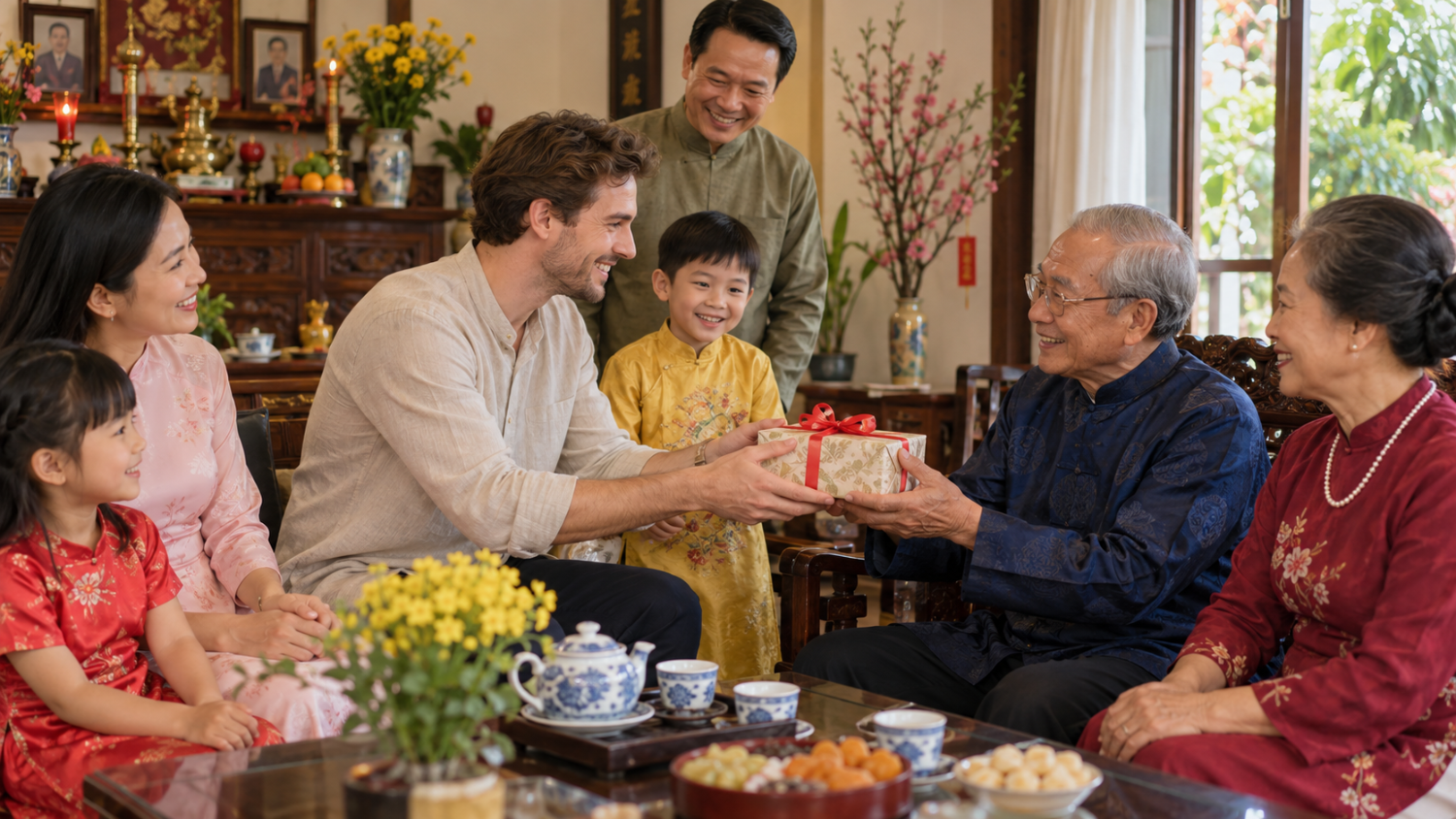
Greet older family members first
When entering a home, wait for your host to guide introductions. Acknowledge grandparents and older relatives before younger members. You may be asked personal questions about age, marriage or family. These questions often express interest and help people choose the correct form of address, rather than intending to invade privacy.
Bring a simple, shareable gift
Fruit, tea, flowers, biscuits or a regional specialty are common choices for a home visit. A small craft from your own country can also open a warm conversation. Choose neat packaging and avoid making the price the focus. For a business host, a tasteful item connected to your organization or hometown is usually safer than something highly personal.Present and receive with attention
Use both hands, especially when giving to an older person or someone in a formal setting. The receiver may not open the gift immediately; this is normal and avoids making the exchange feel focused on material value. If you receive a gift, thank the giver warmly even if the package remains closed.Give meaning, not pressure
The best gift reflects the relationship. Personalized souvenirs, small handmade objects or a group gift can communicate care without creating obligation. Avoid overly expensive gifts when the relationship is new. A few sincere words about why you chose the item make the exchange feel human and memorable.Practical takeaway: Respect elders, bring a modest gift for the household and explain its meaning with warmth rather than formality.
Source: Vietnamese culture
Newer articles
Older articles
Vietnamese Souvenirs
Visitors
- Online1,034
- Today73,461
- This month2,032,096
- Total70,742,758