
Vietnamese souvenirs | Ben Thanh market



A Gentle Cultural Day in Hanoi
- 11/10/2026 06:16:00 PM
- Viewed: 23
Hanoi is best understood through layers rather than a checklist. The Old Quarter, quiet courtyards, lakeside routines and small cafés reveal different rhythms of the capital. A gentle itinerary leaves time to observe daily life instead of rushing from one landmark to another.
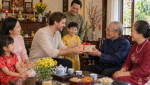
Vietnamese Family Culture and the Art of Giving Gifts
- 11/10/2026 06:04:00 PM
- Viewed: 22
Family is a central point of Vietnamese social life. Generations may remain closely connected even when they live apart, and respect for parents and grandparents influences everyday decisions. For a foreign guest, understanding this family orientation makes visits, celebrations and business relationships more meaningful.
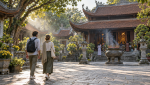
How to Visit Vietnamese Temples and Pagodas Respectfully
- 11/10/2026 06:00:00 PM
- Viewed: 26
Temples, pagodas and ancestral spaces are living places of belief, memory and community. They may also be architecturally beautiful, but they are not simply sightseeing sets. A respectful visitor slows down, watches local practice and remembers that worshippers have priority.

Vietnamese Etiquette for First Time Visitors
- 11/10/2026 03:57:00 PM
- Viewed: 23
Vietnam is welcoming, energetic and deeply rooted in relationships. Visitors do not need to understand every custom before arriving, but a few thoughtful habits can make conversations warmer and prevent awkward moments. Vietnamese etiquette is less about rigid rules than about showing respect, staying calm and noticing the people around you.
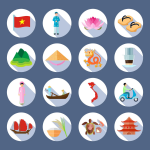
Vietnamese symbols throughout 4000 years history
- 09/02/2024 06:16:00 AM
- Viewed: 23002
Learn about the most important Vietnamese symbols, including the national flag, the lotus flower, and the bamboo tree. These symbols represent the rich culture and history of Vietnam, and they continue to play an important role in the lives of Vietnamese people today.
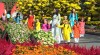
Vietnamese's culture - Tet holiday in Viet Nam
- 06/04/2017 02:46:00 PM
- Viewed: 6540
Tết Nguyên Đán, more commonly known by its shortened name Tết, is the most important and popular holiday and festival in Vietnam. It is the Vietnamese New Year marking the arrival of spring based on the Lunar calendar, a lunisolar calendar.
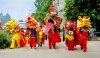
Vietnamese's Culture - Mid-Autumn Festival
- 06/04/2017 02:41:00 PM
- Viewed: 3636
Vietnam is the country with many beautiful festivals. There are hundreds of festivals each year. Besides the Tet Holiday, the Mid-Autumn festival is one of the most famous festivals and it is a traditional celebration for Vietnamese children.
- Online854
- Today179,909
- This month2,530,935
- Total71,241,597